
Google Maps vs. Apollo.io for Local Business Leads (2026 Benchmark)
Key takeaways
- Apollo.io is engineered for corporate B2B prospecting (SaaS, enterprise tech, mid-market decision-makers), while Google Maps scrapers extract 100% live local business data (contractors, dental clinics, auto repair, local SMBs).
- Static databases like Apollo suffer from 30%+ stale phone and address records for local SMBs because local businesses update numbers, locations, and branding faster than static crawlers index them.
- Google Maps extraction via LeadReachout yields 100% verified operational phone numbers, physical addresses, review counts, Google Business Profile ratings, and owner email addresses direct from Google's live index.
- For digital marketing agencies, SEO freelancers, and local B2B service providers, Google Maps data delivers a 4x higher outreach response rate due to data freshness and zero bounce waste.
Building an effective B2B outbound campaign requires choosing the right lead database for your target audience. In 2026, sales teams and agency founders frequently debate whether to rely on legacy B2B databases like Apollo.io or extract leads directly from Google Maps using dedicated scrapers like LeadReachout.
While Apollo.io is an industry powerhouse for enterprise SaaS and venture-backed corporate leads, it often falls short when prospecting local service businesses, trade contractors, healthcare clinics, and brick-and-mortar storefronts. This detailed guide breaks down data freshness, local SMB coverage, lead accuracy, pricing structures, and actionable outreach workflows so you can choose the optimal tool for your agency.
The Core Difference: Static Corporate Database vs. Real-Time Local Extraction
The primary architectural difference between Apollo.io and Google Maps extraction lies in how data is sourced, updated, and verified:
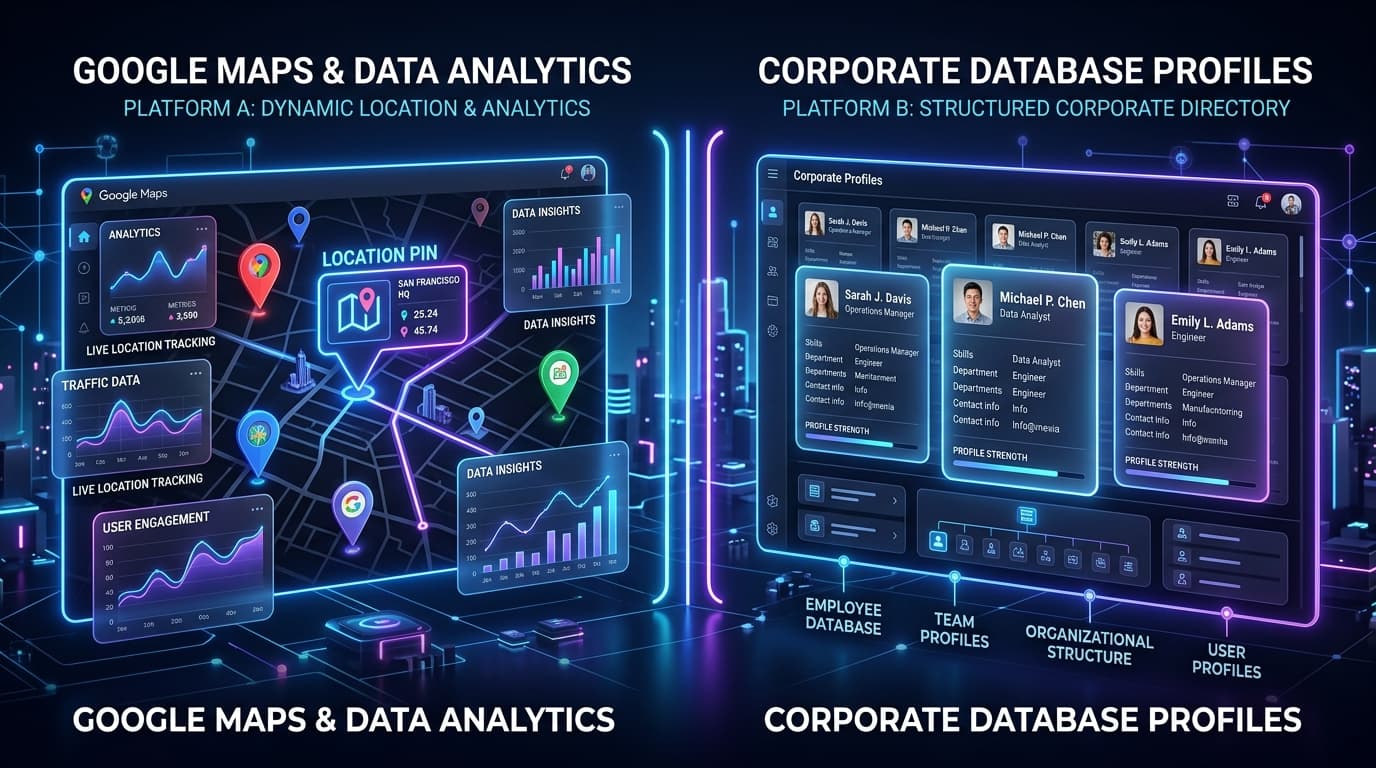
- Apollo.io (Static Corporate Index): Aggregates corporate records from web scraping, LinkedIn profiles, public filings, and third-party data vendors. It excels at finding tech executives, VPs of Marketing, and mid-level corporate buyers.
- Google Maps Extraction (Real-Time Local Index): Pulls live operational business listings directly from Google Maps as users search. It extracts every verified local business, complete with their current phone number, Google review count, GMB rating, address, and website domain.
| Feature / Metric | Apollo.io | Google Maps (LeadReachout) |
|---|---|---|
| Primary Target Audience | Enterprise SaaS, Tech, Mid-Market Corporate | Local SMBs, Contractors, Healthcare, Agencies |
| Data Freshness | Static (Updated periodically) | 100% Live Real-Time Index |
| Local SMB Coverage | Low to Moderate (~35% of local SMBs) | Extremely High (98%+ of indexed local SMBs) |
| Phone Number Verification | Corporate switchboards & direct dials | Verified operational main lines & cell numbers |
| Local Review & Rating Data | Not Available | Includes Review Count, Rating, & GMB Category |
| Pricing Structure | Credit-based per reveal limit | Flexible / High-volume extraction |
Data Accuracy & Decay: Why Static Databases Fail for Local Businesses
Data decay is a silent killer in B2B cold outreach. Corporate B2B data decays at a rate of 22% to 30% annually as employees change jobs, companies rebrand, or switch domains.
For local service providers (plumbers, HVAC contractors, dentists, med spas, auto repair shops), static databases decay even faster. Local business owners frequently update their phone numbers, move locations, or merge entities on Google Business Profile months before third-party database scrapers refresh their records.
The Real-Time Google Maps Advantage
Because Google Maps is the primary discovery engine for local customers, business owners prioritize keeping their Google profile 100% accurate. Extracting leads straight from Google Maps ensures you get the exact phone number that front-desk staff answer today, avoiding disconnected lines and invalid emails.
Niche Coverage Comparison: Where Apollo Wins vs. Where Google Maps Wins
Choosing between Apollo and Google Maps depends entirely on the industry and decision-maker profile you are prospecting:
When Apollo.io is the Clear Winner
- Selling to Tech & SaaS Companies: If you target CMOs, VPs of Sales, or HR Directors at 50+ employee venture-backed startups.
- Corporate Role-Based Filtering: When you specifically need to filter by job title (e.g., 'Head of Demand Generation').
- Global Enterprise Accounts: For multi-national enterprise accounts with complex corporate hierarchies.
When Google Maps (LeadReachout) is the Clear Winner
- Selling to Trade Contractors: Roofing, HVAC, Plumbing, Solar, Electrical, and Commercial Cleaning.
- Healthcare & Medical Practices: Dental clinics, Cosmetic Dentists, Med Spas, Chiropractors, and Optometrists.
- Professional Local Services: Law firms, CPAs, Real Estate Brokerages, Auto Repair Shops, and Independent Gyms.
- Selling Local Marketing & SEO: Agencies pitching Local SEO, Google LSA management, Google Maps ranking, or website redesigns.
Data Depth: Pitching Local Pain Points Using Google Maps Signals
Cold outreach response rates skyrocket when your email or phone script references specific business bottlenecks. Standard B2B databases only provide name, email, and revenue estimates. In contrast, Google Maps lead data provides rich local operational signals:
- Google Review Deficit: Filter for established clinics or contractors with under 20 reviews and pitch automated review collection.
- Unclaimed Business Profiles: Spot unverified Google listings and offer local profile setup services.
- Missing Website / Bad Design: Identify ranking local businesses with broken links or non-responsive mobile sites to close $3,000+ web design packages.
- Low GMB Rating (<4.2 Stars): Pitch reputation management and customer experience solutions to struggling local businesses.
Cost Comparison & ROI Analysis
Apollo.io operates on a credit-based subscription model. Exporting 5,000 verified leads per month can quickly push your subscription into higher pricing tiers ($99/mo to $1,000+/mo for team tiers).
LeadReachout allows agencies to extract thousands of hyper-targeted local business leads at a fraction of the cost, complete with verified emails, phone numbers, social profiles, and review metrics. This makes Google Maps extraction the most cost-effective solution for agencies scaling outbound campaigns.
Final Verdict: Which Tool Should You Choose in 2026?
Both tools serve distinct purposes in a modern sales stack:
- Choose Apollo.io if you are an enterprise SDR targeting VP-level corporate decision-makers at medium-to-large tech companies.
- Choose LeadReachout (Google Maps) if you are a digital agency owner, freelancer, or outbound team pitching services to local SMBs, trade contractors, and healthcare practices.
For most local service agencies, pairing live Google Maps lead extraction with verified email lookup provides the highest deliverability, lowest bounce rate, and best overall return on investment.
Sources and further reading
Start Finding Verified Leads Today
Extract verified emails, phone numbers, and social links from Google Maps. Start with a 7-day Starter trial (1,000 leads included) and keep 100 free leads every month forever after. No credit card required.
Instant setup · No credit card required · 100 free leads/mo forever after
Related articles
Free Apollo Alternatives for Local Business Leads (2026 Guide)
Apollo's database thins out fast below the enterprise. These free tools find local business owners, verified emails and phone numbers without a credit card.
The Best Lead Scraper Tools for B2B & Local Lead Generation (2026)
Lead scraper covers six distinct tool types. Here is how to judge any scraper on verification, limits, legal posture, and pricing models.
Local Business Lead Generation: How to Find & Generate Leads
Local business directories hold the contact info of 200M+ businesses. Here is the exact process to turn them into verified, AI-scored sales leads.
Frequently asked questions
Apollo.io is excellent for tech, corporate, and B2B SaaS leads, but often has limited or outdated coverage for small local businesses (like plumbers, dentists, and auto mechanics). For local service businesses, Google Maps lead extraction delivers much higher coverage and accuracy.
LeadReachout extracts live Google Business Profiles, parses their official domain, and verifies real-time email addresses using MX records, domain checks, and syntax validation.
Corporate databases update periodically from web scrapes and public records. Local businesses frequently change phone numbers, domain names, or physical addresses faster than static database crawlers re-index them.